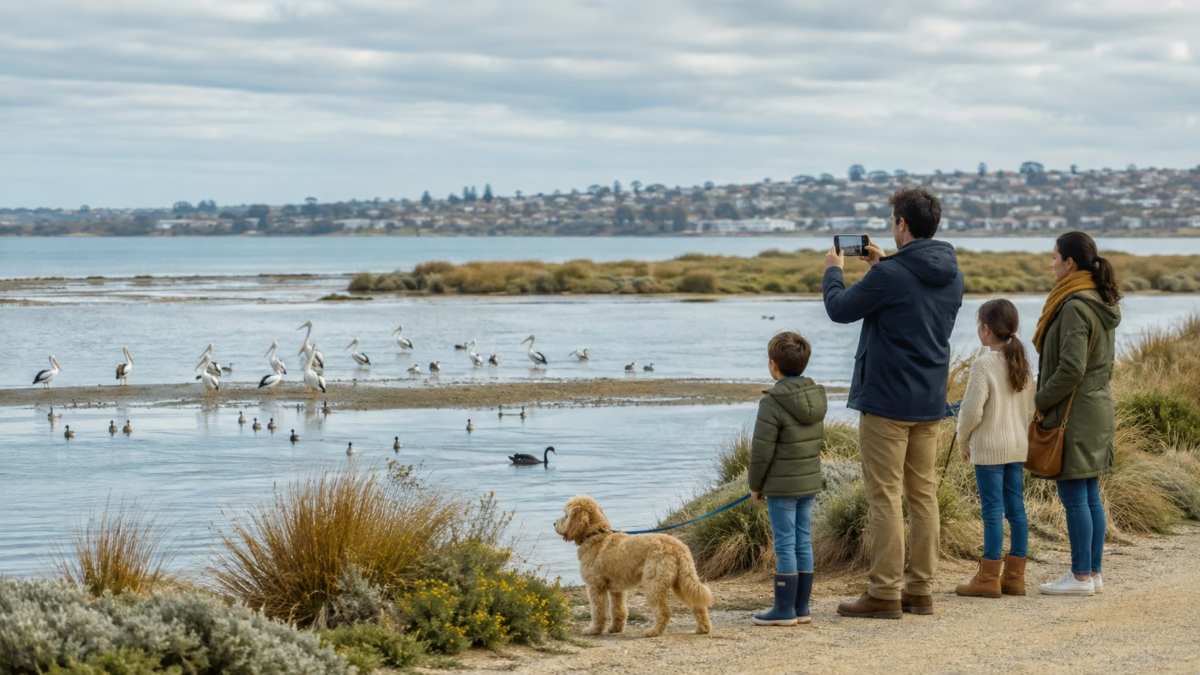
H5N1 avian influenza has been detected in Greater Geelong. Authorities say the risk to people remains low, but residents are being urged not to touch sick or dead birds and to report sightings immediately.
By Emerge News
H5N1 avian influenza—commonly known as H5 bird flu—has been detected in Greater Geelong, prompting authorities to ask residents to remain alert around wild birds and wildlife.
The City of Greater Geelong confirmed the local detection on Friday, 21 August.
The precise location and bird species involved were not identified in the City’s initial public update. However, residents across the municipality are being advised to follow three steps if they encounter sick or dead wildlife:
Avoid. Record. Report.
People should not touch, pick up or move sick or dead birds. If it is safe to do so, they should record the location, take a photograph from a distance and report the sighting through the Victorian Government’s online reporting form or the Emergency Animal Disease Hotline on 1800 675 888.
“It is absolutely essential that people refrain from touching or picking up any birds,” City of Greater Geelong chief executive Ali Wastie said in the City’s public update.
“They should be left where they are, recorded and reported.”
Is bird flu dangerous to people?
Victorian and Australian health authorities say the current risk to people remains low.
Human infection is rare and generally requires close contact with infected birds, other infected animals, their droppings or a contaminated environment. Spread between people is also considered very rare.
Residents should nevertheless avoid direct contact with birds that appear unwell or have died.
Children should be told not to approach or pick up birds they find in parks, near waterways, on beaches or in backyards. Adults should report the animal rather than attempting to remove it themselves.
Anyone who has had direct contact with a suspected infected bird and subsequently becomes unwell should seek medical advice and explain the nature of the exposure.
Can people still eat chicken and eggs?
Yes.
Health authorities advise that people cannot contract H5N1 bird flu from eating poultry or eggs that have been handled hygienically and cooked thoroughly.
Victoria’s health advice states that fully cooked poultry and eggs remain safe to eat, including in areas where bird flu has been detected. Consumers should continue following normal food-safety practices, including washing their hands and utensils after handling raw poultry or eggs.
There have been no confirmed H5 bird flu detections in Australian poultry or the wider agricultural industry.
What should backyard poultry owners do?
Agriculture Victoria says the present risk to backyard flocks remains low, but poultry owners should strengthen their biosecurity practices.
Owners should:
- prevent chickens and other kept birds from mixing with wild birds;
- place feed and water where wild birds cannot access them;
- prevent poultry from drinking from dams, ponds or water sources used by wild birds;
- use roofing, fencing or netting where practical;
- remove spilled feed, fallen fruit and standing water that could attract wild birds;
- clean footwear, clothing and equipment used around poultry areas;
- wash hands before and after handling birds or eggs; and
- closely monitor birds for unusual illness or sudden death.
Warning signs can include breathing difficulties, coughing or sneezing, diarrhoea, swollen eyes or head, lack of coordination, an unusual neck position, reduced feeding, a rapid fall in egg production or several birds becoming seriously ill within 24 to 48 hours.
Suspected illness in poultry, captive birds or livestock is legally notifiable and should be reported immediately through the Emergency Animal Disease Hotline on 1800 675 888.
What about cats and dogs?
H5 bird flu mainly affects birds, but overseas cases have shown that some mammals can also become infected.
Pet owners should prevent cats and dogs from touching or eating sick or dead birds. Dogs should be kept on a lead around affected wildlife and cats should be contained.
Owners concerned that a pet may have interacted with an infected animal should contact their veterinarian before bringing the animal into a clinic, allowing staff to provide appropriate instructions.
Which sightings should be reported?
Agriculture Victoria asks people to report:
- clusters of five or more sick or dead wild birds of any species; or
- even one sick or dead seabird, waterbird, shorebird or bird of prey.
A single sick or dead marine mammal, including a seal or dolphin, should also be reported.
Reports help authorities monitor how the virus is moving through wildlife populations and determine whether investigation or testing is required.
H5 bird flu can cause serious illness and large-scale deaths among wild birds and poultry. Unlike previous H7 bird flu outbreaks affecting Australian poultry, the H5 strain now detected in wild birds has spread extensively through wildlife populations overseas.
Is the warning reaching everyone?
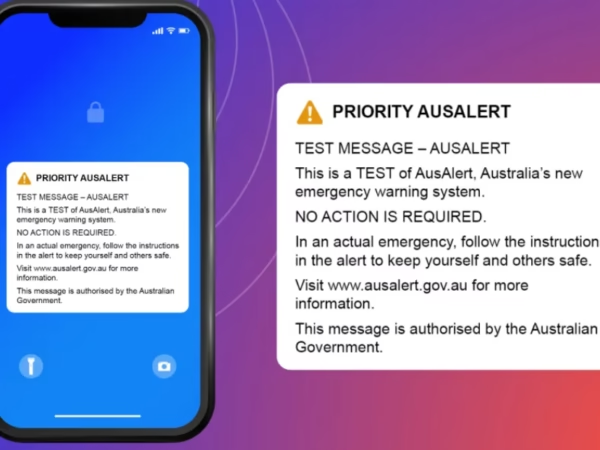
The arrival of H5 bird flu in Greater Geelong is not a reason for panic, but it is a test of how quickly clear public information reaches every part of the community.
Warnings must reach families, poultry owners, workers, newly arrived residents and people who may not regularly follow council or government websites. Information about an animal disease cannot protect the community if residents do not know what to look for, what not to touch or where to report it.
The message for Greater Geelong is simple:
Do not touch sick or dead birds. Record the location. Report the sighting.
Reports can be made through the Victorian Government’s H5 bird flu information page or by calling the 24-hour Emergency Animal Disease Hotline on 1800 675 888.