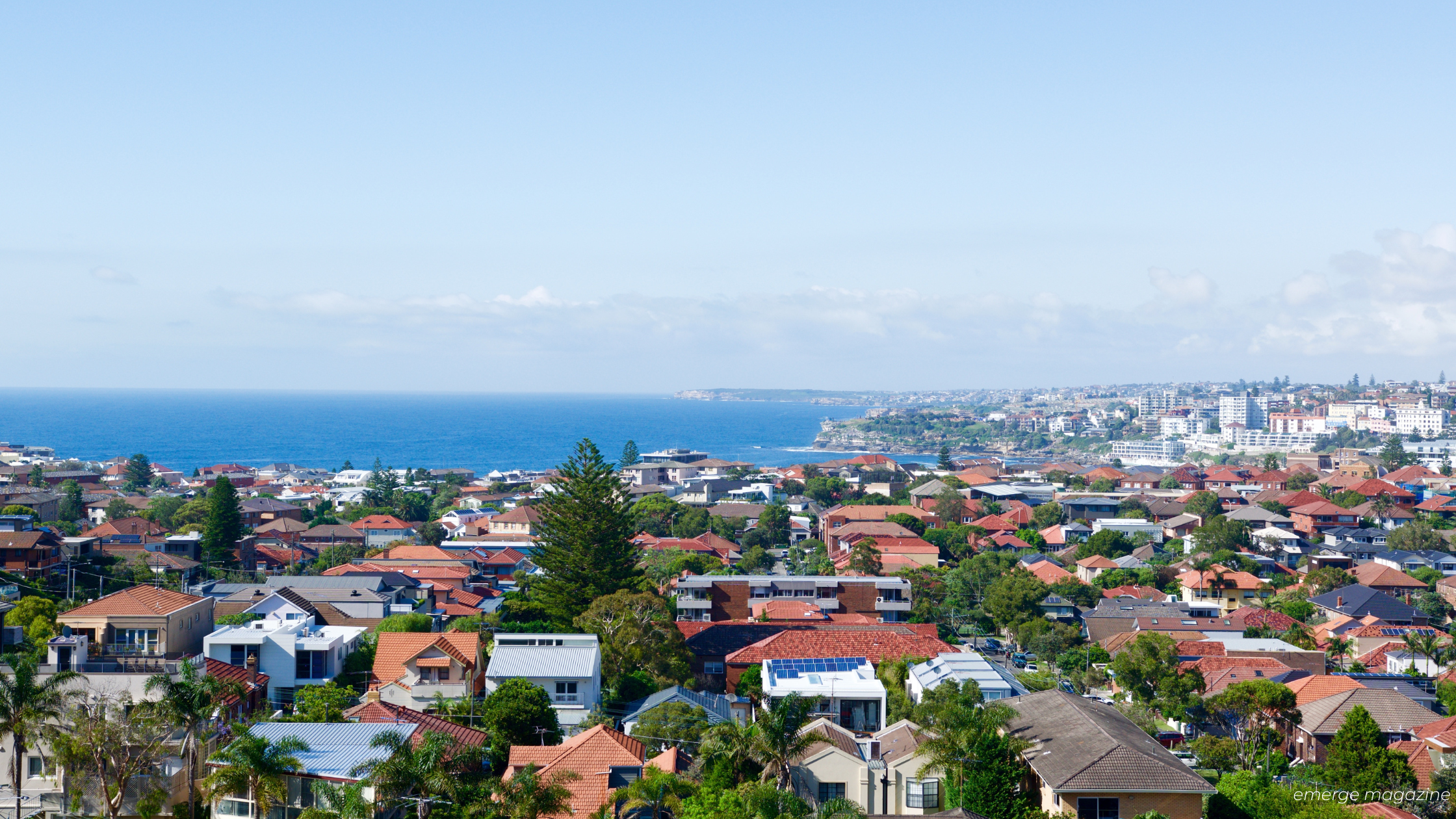
Geelong’s rapid population growth is reshaping the city, bringing economic opportunity alongside growing pressure on housing affordability, infrastructure and essential services.
According to the Australian Bureau of Statistics, Greater Geelong’s population exceeded 271,000 at the 2021 Census, with subsequent growth driven by regional migration, interstate arrivals and the resumption of overseas migration following pandemic border closures.
A spokesperson for the City of Greater Geelong said population growth was a positive sign for the region, but acknowledged it was placing strain on existing systems.
“Geelong continues to attract new residents because of its liveability and employment opportunities,” the spokesperson said. “However, growth of this scale requires coordinated investment in housing, transport and community infrastructure to ensure residents are supported.”
Housing affordability remains a key concern. Rental vacancy rates across the region remain low, with community service organisations reporting increased demand for housing assistance and emergency relief.
A local community advocate said the impact was being felt most strongly by low-income households and newly arrived migrants.
“We’re seeing families who are working but still struggling to secure stable housing,” the advocate said. “Without additional supply and targeted support, the pressure will continue to build.”
Council has identified housing supply, transport connectivity and service access as long-term priorities, calling for stronger state and federal collaboration to manage growth sustainably.